
Residential Roofing Contractor In Metro Manila
Protect your home with roof replacement services in Metro Manila designed for long-term durability, weather protection, and better peace of mind.
Protect Your Home With a Proper Roof Replacement
A roof does more than cover your home. It helps protect the structure, interior spaces, and everything inside from heat, rain, and long-term wear. When a roofing system is already aging or failing, a proper roof replacement can help restore protection, improve reliability, and support the long-term condition of the property.
What Is Included in Our Roof Replacement Services
Our roof replacement services are focused on replacing old, damaged, or worn roofing systems with a new roof that is better built for long-term protection. The exact scope can vary depending on the condition of the existing roof and the type of system being installed, but roof replacement usually involves more than simply changing the outer roofing material.
This type of work may include:
- Removal of the existing roof covering
- Inspection of the roof structure and underlying support
- Replacement of damaged or deteriorated sections when needed
- Installation of the new roofing system
- Related finishing and site cleanup after the work is completed
Types of Roofing Materials We Install
Metal Roofing
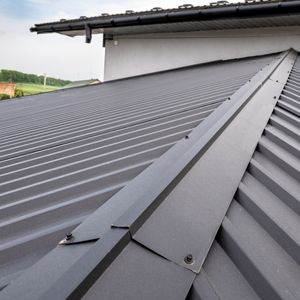
Metal roofing is one of the most common choices for homes in the Philippines because it is durable, widely used, and practical for local weather conditions. It is often chosen for its strength, lower maintenance needs, and long service life.
Concrete Roof Tiles
Concrete roof tiles are a popular option for homeowners who want a more solid and substantial-looking roof. They are often chosen for their durability and their ability to give a home a more finished and premium appearance.
Asphalt Shingles
Asphalt shingles are commonly used for residential homes that want a cleaner and more traditional finished look. They are often selected for their design flexibility and because they suit many different home styles.
Other Services
Learn more about the other construction services we offer here at Tito Builds.
Ready to start your residential construction project?
Our Roof Replacement Process
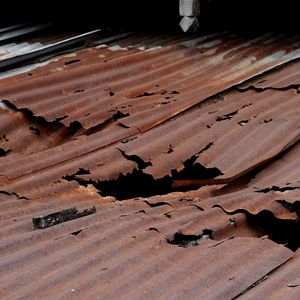
Reviewing the Existing Roof Condition
We begin by checking the current condition of the roof to understand its overall state and identify the work that needs to be done. This helps determine whether the issue is limited to the roof covering alone or if there are areas that need closer attention before replacement begins.

Scope, Materials, and Estimate Alignment
Once the roof condition is clearer, we define the scope of work, discuss the roofing material options, and align the estimate with the project requirements. This step helps make sure the replacement approach matches the home, the budget, and the level of protection the client wants.
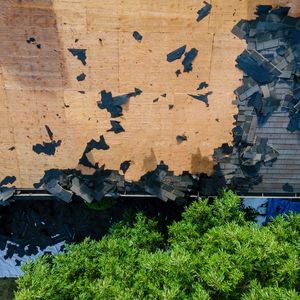
Site Preparation and Material Coordination
Before installation starts, your home or the work site needs to be prepared and the required materials need to be organized. This helps the work move more smoothly and reduces unnecessary delays once the actual roof replacement begins.
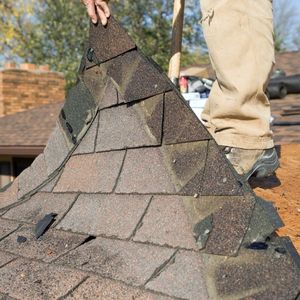
Removal of the Old Roofing System
The existing roofing material is carefully removed to make way for the new roof. This stage also allows the team to check the exposed roof area more closely and address any issues that need attention before the new system is installed.
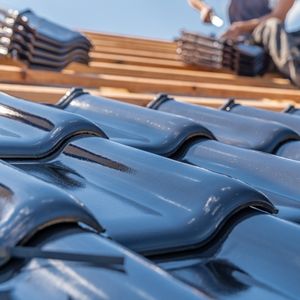
Installation of the New Roof
Once the roof is ready, the new roofing system is installed based on the agreed scope and material selection. The goal is to carry out the work properly so the new roof provides better durability, weather protection, and long-term performance.
Final Inspection and Project Turnover
After installation is completed, the finished roof is reviewed to check that the work has been carried out properly and aligned with the agreed scope. This final step helps make sure the project is ready for turnover and that the client can move forward with better confidence in the new roof.
Ready to Replace Your Roof With a Trusted Contractor?
Get roof replacement services in Metro Manila with a clearer plan, the right materials, and a roofing system built for long-term protection.
Why Choose Us As Your Home Addition Contractor
Proper Roof Replacement, Not Temporary Patchwork
We focus on full roof replacement work for homes that need a more reliable long-term solution. Instead of relying on short-term fixes, we help replace worn roofing systems with work that is better planned and built to last.
Material Recommendations Based on Your Home and Budget
Not every roofing material is the right fit for every home. We help clients choose options based on the property, the level of protection needed, and the budget they want to work within.
Careful Installation for Long-Term Weather Protection
A roof replacement should do more than improve appearance. We carry out the work with attention to proper installation so the finished roof can provide better durability, weather protection, and long-term performance.
Organized Roofing Work With Clear Site Coordination
Roof replacement projects should move through a clear and managed process. We keep the work more organized from preparation to turnover so the project can move forward with better coordination and fewer avoidable issues on site.
Frequently Asked Questions
Common Questions We Get From Homeowners
How much does a roof replacement cost in Metro Manila?
The cost of a roof replacement depends on several factors, so it is usually not something that can be priced accurately with a one-size-fits-all number. A small home with a simple roof layout will have very different requirements from a larger property with multiple slopes, valleys, elevations, or more difficult site access.
The final cost is usually affected by:
- Total roof size
- Roof shape and complexity
- Type of roofing material selected
- Condition of the existing roof
- Whether damaged sections underneath also need replacement
- Access to the property and work area
- Required site protection, hauling, and cleanup
- Additional flashing, gutters, or related roof components
How long does a roof replacement take?
The timeline depends on the size of the roof, the material being installed, the complexity of the layout, site conditions, and the weather during construction. A straightforward residential roof replacement may move much faster than a roof with multiple levels, complicated slopes, or areas that need added repairs once the old roofing is removed.
The timeline is often affected by:
- Roof size and layout
- Type of roofing material
- Condition of the existing roof
- Extent of removal work
- Weather conditions
- Site accessibility
- Availability of materials
- Any additional repairs found during the project
Who will manage my roof replacement project?
Your roof replacement project should be managed by the contractor’s team. This usually includes the contractor handling the overall project and coordination, an on-site lead or foreman helping supervise the day-to-day work, and the roofing workers carrying out the installation.
In practical terms, this usually means:
- The contractor oversees the project direction, scope, and coordination
- The workers carry out the actual roof removal and installation
- The team stays aligned on schedule, materials, and quality of work
Do I need to leave my house during roof replacement?
In many cases, homeowners do not need to leave the house completely during a roof replacement. However, it depends on the size of the project, the level of noise, the condition of the property, and how comfortable the household is with construction activity happening overhead.
Things to consider include:
- Roof replacement can be noisy throughout the day
- Workers will be moving around the exterior of the property
- There may be vibration, dust, and temporary disruption
- Outdoor access and some areas around the home may need to stay clear for safety
- Households with young children, elderly family members, or pets may find it more disruptive
What happens if it rains during roof replacement?
Rain is one of the main reasons roof replacement work needs careful planning. If weather conditions change during the project, the team usually needs to protect the exposed areas and adjust the work schedule to reduce the risk of water entering the home.
This may involve:
- Covering exposed roof areas temporarily
- Pausing certain stages of work until conditions improve
- Re-sequencing the work to protect the most vulnerable areas first
- Monitoring the forecast more closely throughout the project
What are the signs it’s time to replace your roof?
A roof may need replacement when it is no longer providing reliable protection or when repairs are becoming less practical over time. Some warning signs are visible from the outside, while others show up inside the home.
Common signs include:
- Recurring roof leaks
- Visible deterioration or aging of roofing materials
- Sections that look warped, loose, damaged, or uneven
- Water stains on ceilings or walls
- Signs of moisture entering the house during heavy rain
- Roofing that has already been repaired many times
- An older roof that is nearing the end of its service life
What is the best time of the year in the Philippines to replace a roof?
In general, the better time to replace a roof in the Philippines is during the drier part of the year, when there is a lower chance of heavy rain interrupting the work. Normally, we recommend a roof replacement be done from January to May. More stable weather helps the project move more smoothly and reduces the risk of exposed roof areas being affected during installation.
That said, roof replacement is not only about the season. It also depends on:
- Current roof condition
- Urgency of leaks or damage
- Material availability
- Contractor schedule
- Weather forecast during the planned work period
Can you replace only part of my roof?
In some cases, yes, part of a roof can be replaced. However, whether that is the right approach depends on the condition of the roof, how isolated the damaged section is, and whether partial replacement will still provide a reliable result.
A partial roof replacement may make sense when:
- The damage is limited to a specific area
- The rest of the roof is still in good condition
- The roofing material can still be matched properly
- The issue has not spread across the larger roof system
Do you provide a roof replacement estimate?
Yes. A roof replacement estimate is an important part of helping a client understand the likely scope and cost of the project. A proper estimate is usually based on an actual review of the roof rather than just a rough guess.
A roof replacement estimate may take into account:
- Roof size and layout
- Existing roof condition
- Material selection
- Scope of removal and installation work
- Any related components that may need attention
- Site access and logistics
How do I get started with a roof replacement project?
The best way to start is by having the roof reviewed so the current condition can be assessed properly. From there, the project can move into scope definition, material discussion, and estimate alignment based on what the home actually needs.
A good starting point usually includes:
- Reviewing the current roof condition
- Identifying visible issues or recurring problems
- Discussing whether full or partial replacement makes sense
- Looking at roofing material options
- Aligning the scope of work and initial estimate
- Planning the next steps before construction begins
Protect Your Home With a New Roofing System
Replace an aging roof with a more reliable system built for better durability, weather protection, and long-term peace of mind.